 Trump Signal Index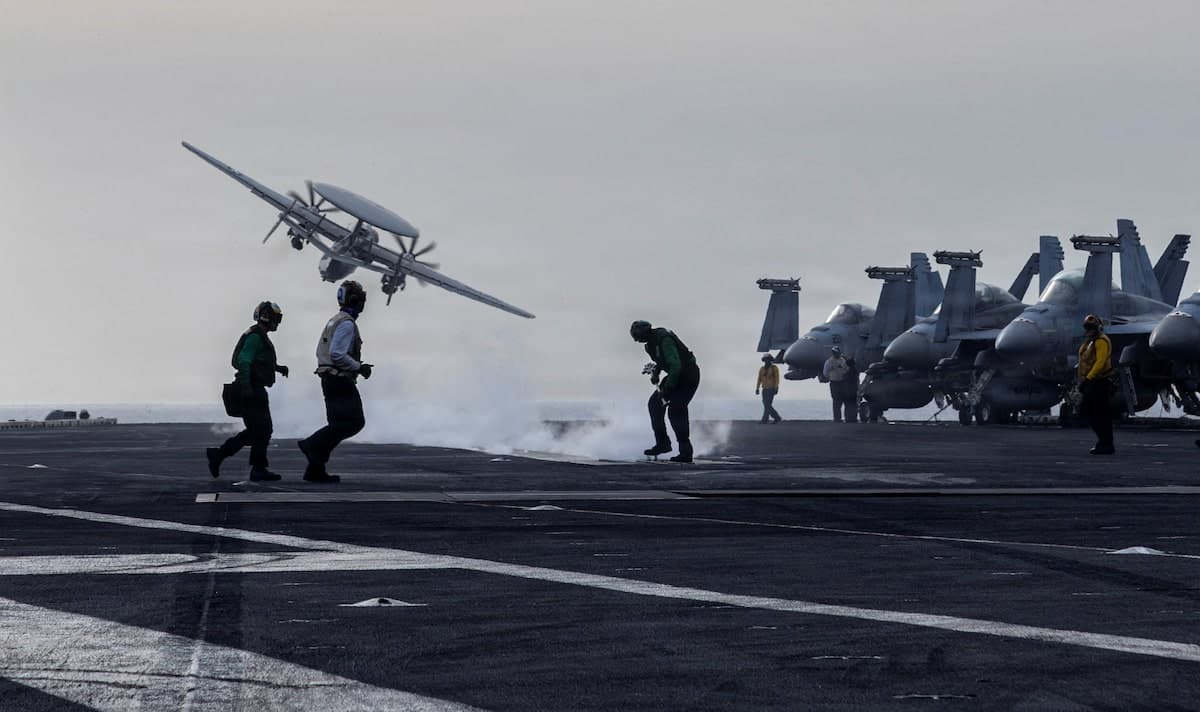
US and Iranian forces exchanged missile and projectile strikes on May 9, targeting naval vessels and military installations on each side. Iran said the US fired first. The US said Iran initiated. Both sides confirmed the exchange occurred. Both sides also said they have no intention of breaking off negotiations or abandoning the ceasefire framework.
Trump addressed the clash directly: the ceasefire is holding, he said, and Iran needs to accept the deal on the table.
What Happened
The exchange involved missiles targeting military assets — not civilian infrastructure or oil facilities. The pattern resembles the tit-for-tat strikes that have punctuated this conflict throughout: calibrated enough to avoid triggering full escalation, significant enough to signal continued willingness to use force.
The mutual accusation of who shot first is standard. In a conflict where both sides are simultaneously negotiating and skirmishing, the sequencing of any individual exchange is less important than the fact that neither side stopped the exchange from happening.
Both sides firing while both sides simultaneously claim the ceasefire is intact is the defining feature of this conflict’s final phase. The military track and the diplomatic track are running in parallel, not in opposition. Each side is using force to improve its bargaining position — not to end negotiations.
Trump’s Response: Pressure, Not Pause
Trump’s statement after the exchange is the most important signal of the day. He did not call it a ceasefire violation. He did not announce new strikes. He said the ceasefire holds — and used the moment to increase pressure on Iran to close the MOU.
This is consistent with the pattern established over the past two weeks. Trump has combined every military action — the naval blockade enforcement, the tanker bombing on May 6, now this exchange — with a reiteration that a deal is available if Iran moves. The military pressure is the mechanism for the deal, not an alternative to it.
The one-week deadline Trump set on May 8 is still active. The Beijing summit on May 14-15 remains the forcing mechanism. Nothing about today’s exchange changes that timeline.
Iran’s Internal Split, Again
Iran’s simultaneous participation in a missile exchange and maintenance of its negotiating posture reflects the same internal split that has been visible since the MOU was reported. The faction that controls military assets can authorize a retaliatory strike. The Foreign Ministry can simultaneously tell Pakistan, through the back channel, that Iran is still reviewing the MOU terms.
These are not contradictory positions within a unified government. They are parallel actions by different power centers pursuing different strategies. The question — as it has been for two weeks — is which faction’s position Iran’s Supreme Leader will ultimately ratify.
A military exchange that neither side characterizes as a ceasefire violation is a signal, not a breakdown. Both governments have chosen to maintain the negotiating framework even after firing at each other. That choice, made explicitly and publicly by both sides, is more informative than the exchange itself.
What This Means for the MOU Timeline
The May 14 deadline is now four days away. The exchange on May 9 narrows the remaining options. Iran can accept the MOU framework, continue the military skirmishing while talks drag past the Beijing summit, or absorb the consequences of Trump choosing the strike option over the deal option when the deadline expires.
The exchange does not make a deal less likely. It makes the cost of not having a deal more visible.
Oil markets will price in the strike exchange as an escalation signal — a short-term spike. If no further escalation follows in the next 24 hours, the market will read the ceasefire-intact statements from both sides and partially reverse. The directional trade remains the same: deal = oil down, no deal = oil up, strike = oil spike then depends on retaliation.