 Trump Signal Index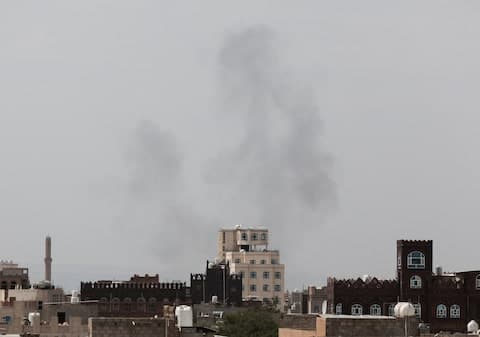
Iran attacked a Cyprus-flagged merchant vessel in the Strait of Hormuz. The US responded with strikes on Iranian radar systems, missile and drone storage facilities, and IRGC small boats operating in the strait. Iran then formally declared the Hormuz blockade. Trump went on CNN and other outlets to say Iran had “violated the agreement,” called them “evil and crazy,” and said the US had “bombed them mercilessly.” CENTCOM announced additional Iran strikes ordered by Trump beginning at 6 AM, and simultaneously emphasized: Hormuz is open, freedom of navigation is guaranteed.
That two-track posture — maximum military pressure alongside aggressive shipping-normalcy messaging — is the defining signal of July 13.
The Axios report adds the operational specifics: US strikes hit Iranian missiles, air defense systems, and IRGC small boats in Hormuz. Iranian state media confirmed approximately 10 projectiles struck Qeshm Island, with targets described as military facilities. Qeshm sits inside the strait itself — not in Iran’s interior. Striking there is a direct message about who controls the waterway.
Iran’s Blockade Declaration Is a Different Threshold
Until July 13, the Hormuz threat had been rhetorical. Trump had threatened reimposition; Iran had attacked merchant ships; both sides had drawn lines. The formal blockade declaration by Iran moves this from posturing into an active sovereignty claim over the strait.
That claim is now being contested militarily in real time. The US is not waiting to see if Iran enforces the blockade — it is striking the enforcement infrastructure (radar, missiles, IRGC patrol boats) preemptively. The message is that Iran’s blockade declaration will not be allowed to become operationally real.
Whether that succeeds is the question oil markets are now pricing.
Iran’s formal blockade declaration converts a theoretical risk into an active military contest. The oil risk premium is no longer about what might happen — it’s about whether the US can physically keep the strait open against Iranian resistance. Qeshm Island strikes and IRGC boat attacks inside the strait signal the US intends to fight this, not negotiate it.
The Two-Track Strategy: Strike and Narrate Simultaneously
Trump’s simultaneous moves — airstrikes plus CNN interview insisting Hormuz is “open” — reveal the core strategic problem the US faces. Physical military control of the strait and market perception of the strait are two different contests.
If oil markets believe the blockade is real, prices move on supply-disruption assumptions regardless of whether ships are actually passing. The US is fighting both battles at once: militarily degrading Iran’s enforcement capacity while messaging that disruption is not occurring.
CENTCOM’s public statement — freedom of navigation is being maintained — is as much a market intervention as a military update. The language is calibrated to prevent the kind of insurance-market and shipping-rerouting cascades that follow even a perceived blockade, independent of actual ship traffic.
Iran’s state media coverage of Qeshm strikes, framed as an attack on sovereign territory, is the counter-narrative: the blockade is real, and Iran is being bombed for enforcing it.
What This Means for the Negotiating Track
There is no longer a negotiating track in any operative sense. The July 11 window closed before it opened. Iran has now moved from passive resistance (Hormuz attacks on merchant ships) to active blockade declaration. The US has moved from airstrikes on interior facilities to direct strikes on strait enforcement infrastructure.
The sequence since July 8: merchant ship attacks → MOU dead → assassination intel → aircraft switch → Netanyahu coordination call → formal blockade declaration → Qeshm and IRGC boat strikes. Each step has foreclosed options, not opened them.
A new negotiating contact, if one emerges, would require Iran’s new leadership to engage under conditions of active US bombardment of their naval enforcement assets — a domestic political position that is structurally different from what Khamenei’s negotiators faced.
Iran’s blockade declaration is the highest-risk oil event since the 2019 Abqaiq attacks. The US is striking strait enforcement infrastructure in real time, which keeps ships moving for now — but the IRGC has dispersed assets and can sustain harassment operations even under US fire. If even one major carrier suspends Hormuz transits, the insurance-market cascade begins independently of military outcomes. Oil, shipping insurance, defense, and gold positions are all live. Equity exposure to Asia-Pacific supply chains faces the most direct secondary risk.
Trigger
Cyprus merchant ship attacked
US Strikes
Radar, missiles, IRGC boats, Qeshm Island
Iran Declaration
Hormuz blockade
Trump
‘Hormuz is open, bombed mercilessly’
CENTCOM
Additional strikes from 6 AM, nav guaranteed
Qeshm Island
~10 projectiles, military targets