 Trump Signal Index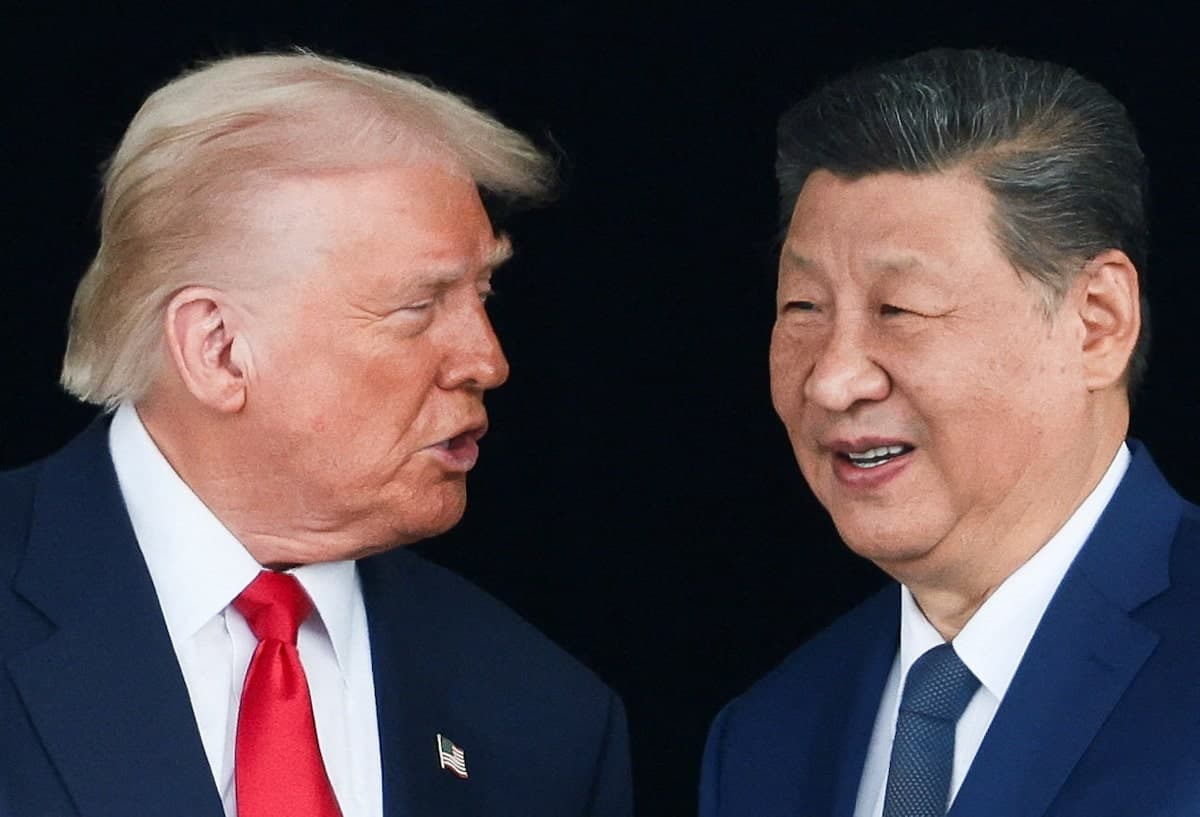
Trump's China visit, postponed six weeks when the Iran War began, is now taking shape as a wartime summit. The security advance team flew to Beijing on military transport. The Iran conflict — its duration, its resolution, and who pays for it — has moved to the center of the US-China agenda. Two things happened simultaneously that tell you exactly how this summit is being positioned: the US sanctioned five Chinese oil refineries for buying Iranian crude, and Beijing issued its first executive order instructing Chinese companies not to comply with what it called "unjust and unilateral US sanctions."
What Changed in Six Weeks
When the Beijing visit was originally scheduled, the Iran War was a regional conflict. Six weeks later, it is a global economic disruption. Hormuz is blocked. Brent is at $126. Third-party vessels are trapped in the strait. The US Navy is running convoy escorts. Iran's primary oil customer — China — has been buying discounted Iranian crude throughout the blockade.
That last point is the crux. China's continued purchase of Iranian oil has partially offset the economic strangulation Trump is relying on to force nuclear concessions. Every barrel Beijing buys reduces the pressure on Tehran. The sanctions on five Chinese refineries — announced days before the summit — are a direct message: the US is prepared to impose secondary sanctions on China's energy sector if Beijing does not stop underwriting the Iranian economy.
The Executive Order That Changes the Framework
China's response — issuing an executive order telling domestic companies to ignore US sanctions — is not a diplomatic protest. It is a legal and administrative counter-move. By formalizing the instruction in an executive order, Beijing is creating a domestic legal framework under which Chinese companies can claim they are complying with Chinese law by continuing to buy Iranian oil, even if doing so violates US secondary sanctions.
This matters because it raises the cost of enforcement for the US. Sanctioning individual Chinese refineries is manageable. Sanctioning Chinese companies that are now operating under explicit government instruction to defy those sanctions creates a state-versus-state confrontation rather than a regulatory compliance problem.
The executive order is China's way of telling the US: if you sanction our companies for buying Iranian oil, you are sanctioning companies acting under explicit government policy. That is a different kind of escalation than sanctioning a company that chose to take a business risk.
The Summit's Real Agenda
The Iran War has compressed the US-China summit into a single core issue: will China cooperate with the economic blockade of Iran, and at what price?
Trump's leverage is the same leverage he uses everywhere — tariffs, market access, technology restrictions. China's leverage is its role as Iran's lifeline. Beijing can choose to comply with US sanctions and help strangle Iran, or it can continue buying Iranian oil and protect Tehran's economic position.
The advance team arriving in Beijing signals the visit is proceeding. Whether the trip survives the pre-summit sparring — the refinery sanctions, the executive order, the public positioning — is the first question. Whether the two sides reach anything substantive on Iran is the second.
Why This Summit Is Different From All Previous Ones
Every major US-China summit in the past decade has been about trade, technology, or Taiwan. This one is about an active war. The diplomatic context is fundamentally different when one party is conducting military operations in a third country and asking the other party to stop buying the enemy's oil.
The Iran War has forced a question that US-China relations have avoided for years: when American military operations conflict directly with Chinese economic interests, which gives way? The summit will not resolve that question. But the answer that emerges from Beijing — or the lack of one — will shape the next phase of both the Iran conflict and the broader US-China relationship.
Trump's wartime visit to Beijing has no modern precedent. A sitting US president visiting a strategic competitor while conducting active military operations in the same region is diplomatically uncharted. The protocol pressure alone — what is said publicly, what is agreed privately — is significant.
Market Read
The sanctions-plus-summit sequence has two possible outcomes for markets. If the summit produces a Chinese commitment to stop buying Iranian oil, or to reduce purchases significantly, Tehran's economic position deteriorates faster and a resolution becomes more likely — oil down, risk assets up. If the summit fails, or if China's executive order signals it will not comply, the US-China trade relationship faces a new escalation layer on top of existing tariff tensions — oil stays elevated, broader risk-off.
The gold signal is upward: a wartime US-China summit with pre-summit sanctions and counter-orders is not a confidence-building environment.