 Trump Signal Index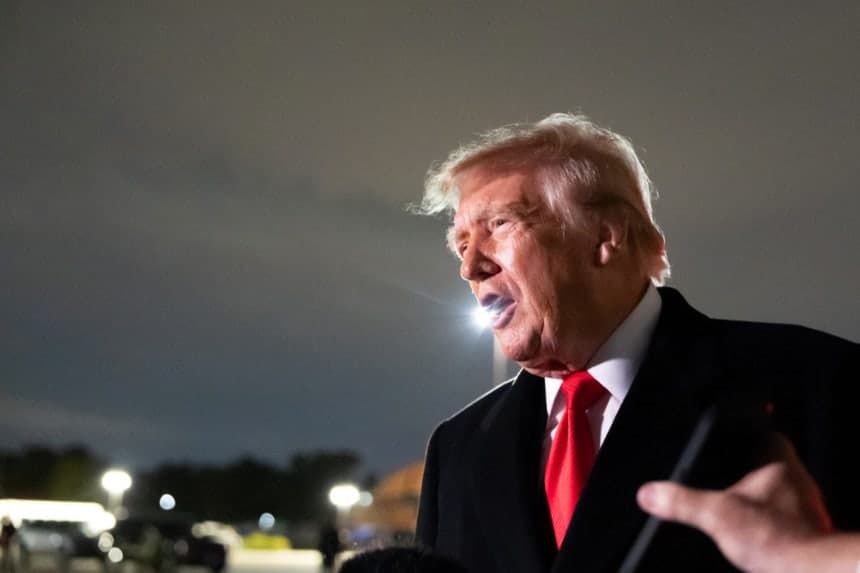
Trump’s diesel deal with Vladimir Putin came with a second message, aimed at Kyiv.
Speaking to reporters at the White House on October 9, the day of the Putin call, Trump said Ukraine needs to put in place a new leader who can reach a deal with Russia. In effect, he called for Volodymyr Zelensky to be replaced.
Zelensky’s answer to the diesel announcement came on X. He called it a weak decision by a strong partner, and said Russia would respond to it with more terror and betrayal.
The Deal Kyiv Objected To
According to Reuters, Trump said after the call that Russia will supply the US and global markets with:
- More than 300,000 tons of diesel immediately
- 500,000 tons next month
- 1 million tons after that
- Up to 3 million tons more, depending on the condition of Russia’s refineries
The Kremlin’s readout was narrower: the two leaders discussed the possibility of fuel supplies. The immediate tranche, about 2.2 million barrels, equals less than two days of US diesel exports.
The timing is what stung in Kyiv. About three weeks earlier, Trump signed a Russia sanctions law that provides for tariffs of up to 100% on Russian energy imports. The US has also banned imports of Russian petroleum products since 2022. Now the president is presenting Russian diesel as relief for American truckers and farmers.
A New Leader
Trump’s remark follows a line Moscow has pushed for two years. Zelensky’s five-year term was due to end in May 2024. Ukraine has held no election since, because its martial-law rules bar voting during the war. The Kremlin has used that to call him illegitimate and to question whether any agreement he signs would bind Ukraine.
Trump has pressed Zelensky in public before. In February 2025 he called him “a Dictator without Elections.” Ten weeks later, the two governments signed a minerals agreement anyway.
What is new this time is the context. The demand for a different leader arrives alongside a fuel deal with Moscow, three weeks before an American election.
The Price Behind It
US diesel now averages $6.28 a gallon, about twice its level a year ago and above the $6.23 record set on September 15. Diesel sets the cost of trucking, farming, and heating. The midterms are on November 3.
Trump has assigned the bill to Ukraine. In September he said diesel prices were high “because of the Russia-Ukraine war, not Iran.” The timeline does not fit: diesel’s climb began in late February, when the Iran war started. Russia’s diesel export halt came in July, more than four months later.
The two halves of this week connect through Russia’s refineries. The largest tranche Trump announced, up to 3 million tons, depends on their condition. Ukraine has spent the summer hitting them — more than 20 Russian refineries in two months by mid-September, enough that Moscow halted diesel exports on July 8. Trump has already asked Zelensky to stop striking Russian oil facilities. With a diesel deal on the table, Ukraine’s most effective economic weapon against Russia now runs against a US election-season goal. A leader in Kyiv more willing to deal with Moscow would, by implication, be more willing to put that weapon down. From Kyiv, the week reads as Washington easing Russia’s energy squeeze just as Ukraine’s strikes made it bite.
The Other Side
Trump’s case is simple. Americans are paying $6.28 for diesel, and any added supply helps. Russia was one of the world’s largest diesel exporters before 2022, and returning even part of that product to the market eases prices at the margin.
On leadership, supporters argue that a settlement will eventually need a Ukrainian government with a fresh mandate, and that elections cannot be postponed forever. And the 2025 record suggests harsh words toward Zelensky can sit alongside continued cooperation. The “dictator” post was followed by a signed deal, not a break.
For markets, the diesel volumes matter less than what the week says about sanctions. A law providing for tariffs of up to 100% on Russian energy imports, followed three weeks later by a president promoting Russian diesel, suggests enforcement bends to US fuel prices. That lowers the risk premium on Russian barrels for buyers such as India and China, and weakens the threat behind any secondary tariffs. For Europe, US pressure for new leadership in Kyiv shifts more of Ukraine’s support onto European budgets — a supportive backdrop for European defense names and a strain on EU finances. For diesel, watch three things: a US license or waiver for Russian product imports, any pause in Ukrainian strikes on Russian refineries, and whether Moscow confirms the volumes. Without them, the deal stays a headline. If Kyiv answers the pressure with more refinery strikes, the 3-million-ton tranche shrinks, and diesel stays tied to Hormuz.
Trump’s Plan
300K tons now, 500K in Nov, 1M after, up to 3M more
Zelensky (on X)
A weak decision by a strong partner; Russia will answer with more terror
Trump (Oct 9)
Ukraine needs a new leader who can make a deal with Russia
US Diesel
$6.28/gal average — about double a year ago
The Contradiction
~3 weeks after a sanctions law with tariffs of up to 100% on Russian energy
Watch
A US waiver for Russian product; Ukrainian refinery strikes