 Trump Signal Index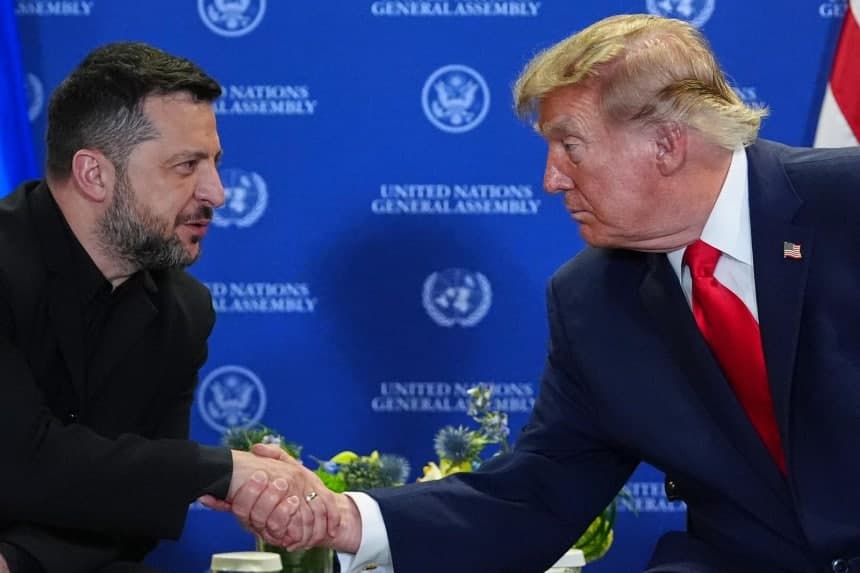
On October 11 Trump announced a ceasefire on Truth Social. An “ENERGY CEASEFIRE” between Russia and Ukraine takes effect immediately, he wrote. Both sides had agreed, and neither should violate it.
Neither side confirmed it.
- Moscow said it has not agreed to a ceasefire of any kind. The same day, Russian forces struck natural gas facilities and fuel stations in Kharkiv, in Ukraine’s northeast.
- Kyiv: Zelensky said it was the first he had heard of it. By October 12 he was using it anyway, accusing Russia of violating the energy ceasefire Trump had announced, Reuters reported.
This has happened before. On September 15, with diesel at a record, Trump posted that Ukraine and Russia had both agreed to stop attacking each other’s energy facilities. Moscow said nothing. Zelensky cast doubt on it within the hour.
What Washington Wants
The US plan has two steps. Both sides stop striking each other’s refineries first. Then the halt extends to power plants, grids, and other energy infrastructure.
Axios explained the urgency. A White House official told the outlet that Trump is genuinely angry about Ukraine’s strikes on Russian refineries and feels Zelensky takes American support for granted. The midterms are November 3, and voters are angry about fuel. US diesel averages $6.28 a gallon, about double a year ago.
The Financial Times went further. It raised the possibility that the US could stop sharing intelligence with Ukraine and stop the sale of US weapons that reach Kyiv through NATO allies. Under that arrangement, set up in 2025, European governments pay for American weapons sent to Ukraine — including air-defense interceptors Ukraine cannot easily get anywhere else.
The US has used this lever before. In March 2025, after a public clash in the Oval Office, Washington paused military aid and intelligence sharing. About a week later, Ukraine accepted a US proposal for a 30-day ceasefire, and both resumed.
Why Kyiv Calls It Lopsided
Ukraine’s objection is arithmetic. Only a few Ukrainian refineries still run normally, Kremenchuk among them. Russia has far more. A mutual halt on refinery strikes protects many Russian plants and few Ukrainian ones.
The sequence adds to it. Refineries come first; power grids come later. Ukraine gives up its leverage now, while the protection it needs most — for its grid, before winter — sits in a second phase nobody has agreed to. On the day of the announcement, the energy strikes on record were Russian ones, on Kharkiv.
Sixty Days for an Election
Trump has also gone after Zelensky’s mandate. Zelensky’s five-year term ended in May 2024, and Ukraine’s wartime rules have prevented a vote since. Days before the ceasefire post, Trump said Ukraine needs a new leader.
Zelensky answered on ABC on October 11. If Trump wants change in Ukraine through an election, he said, Trump should ask Putin for a full 60-day ceasefire. If Russia accepts, Ukraine will prepare a vote.
On October 12, Kremlin spokesman Dmitry Peskov turned it down. Russia, he said, wants a lasting peace, not a temporary ceasefire.
Put the past four days in order. Trump announces Russian diesel for the US and world markets, with the largest tranche — up to 3 million tons — depending on the condition of Russia’s refineries. He says Ukraine needs a new leader. Then he declares a ceasefire that would protect those refineries, while Axios and the FT report pressure on Kyiv’s intelligence and weapons. Every step points the same way. The US election-season fuel plan runs through Russian refining capacity, and Ukraine’s drones are the main threat to it. Zelensky’s 60-day offer tries to turn that pressure around: accept Trump’s call for an election, but make Moscow pay for it with a full ceasefire. Peskov’s rejection gives Kyiv its reply to Washington. On a full ceasefire, it is Moscow saying no.
The Other Side
Trump’s position has a case beyond the election. Strikes on energy infrastructure hurt civilians on both sides, and a halt that starts with refineries could build toward one covering power grids — which would protect Ukraine more than anyone before winter. Ukraine’s refinery campaign also raises fuel costs for everyone, including the European governments funding Kyiv. And the US is Ukraine’s most important supplier; asking it to weigh American priorities is ordinary leverage.
Moscow’s refusal has its own logic too. Russia has long argued that short pauses let Ukraine rearm.
For diesel, this is the version of the Russian deal that could actually matter. The tranches Trump announced are small. A real stop to Ukrainian refinery strikes is not: Russia halted diesel exports in July because of those strikes, and restored refining would let it resume them at far larger volumes. But nothing is confirmed. Moscow denies agreeing, and its strikes continued the same day. Watch three things this week: reports of Ukrainian drone strikes on Russian refineries, any Russian move to lift its diesel export ban, and whether the FT’s intelligence-and-weapons threat turns into an actual pause. If the US does pause, the March 2025 precedent points to Ukrainian compliance within weeks — bearish for diesel margins over time and supportive for European defense names, as Europe fills the gaps. If Russian strikes on Ukraine’s gas sites continue into winter, Ukraine will need more imported gas from the EU, a support for European gas prices.
The Post (Oct 11)
‘ENERGY CEASEFIRE’ effective immediately; both sides agreed, per Trump
Moscow
Agreed to no ceasefire; struck Kharkiv gas sites the same day
Kyiv
First heard of it; next day accused Russia of violating it
Pressure (Axios, FT)
Trump angry over refinery strikes; intelligence and weapons sales could stop
Zelensky’s Offer
A full 60-day ceasefire, then Ukraine prepares an election
Kremlin (Oct 12)
Wants lasting peace, not a temporary ceasefire