 Trump Signal Index
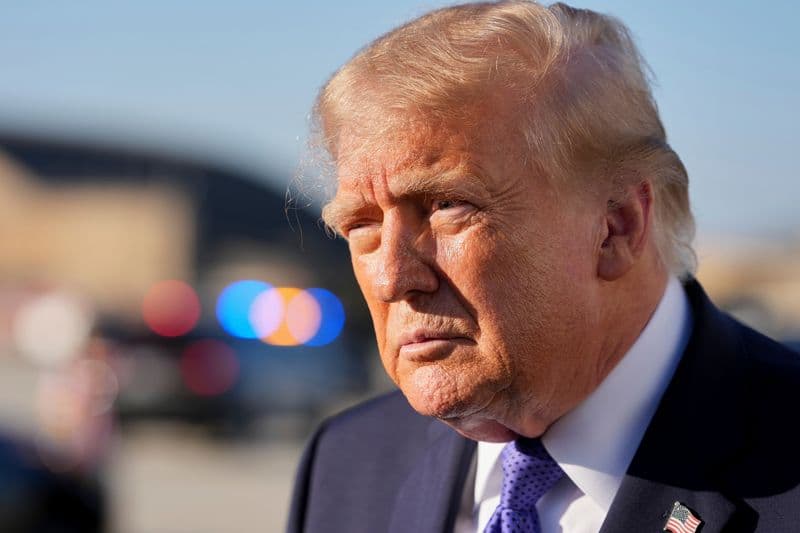
In an interview with Kansas City radio station KCMO on October 30, Trump said the war with Iran will be wrapped up soon, AP reported. He did not say how or when.
He did name one condition. The US needs a guarantee, he said, that Iran will never have a nuclear weapon. In other words, a permanent commitment, not a pause.
The war began with US and Israeli strikes in late February. Eight months later, despite repeated hints from Trump that it would end early, it is stuck. The US Navy still holds its blockade around Hormuz, and high oil prices have become an economic and political cost at home.
The Week in Order
| Date | Move |
|---|---|
| Oct 19 | Trump: the US could leave Iran right now |
| Oct 21 | Trump: the US is not negotiating with Iran |
| Oct 23 | Trump: maybe another small Epic Fury, or Iran makes a deal |
| Oct 24 | The Hill: CENTCOM has briefed Hegseth on post-midterm strike options |
| Oct 29 | WSJ: CENTCOM commander Adm. Brad Cooper briefs the White House in person |
| Oct 30 | Trump: the war ends soon; Iran must never have a nuclear weapon |
Somewhere in that stretch, Vice President JD Vance reportedly sent Iran a letter through Qatar, a key mediator, proposing to resume talks.
Track One: Getting Ready to Strike
Cooper’s visit was an unusual one, according to the Journal: the CENTCOM commander came to the White House in person to present military options.
The Pentagon’s moves in recent weeks, as the Journal described them:
- Into the region: extra air defense systems, munitions, and supplies, in preparation for a new bombing campaign
- Out of harm’s way: troops and assets moved from vulnerable bases ahead of possible Iranian retaliation
That second step answers a threat Iran made in September. When Trump said the question was when to blow up the whole country, the Revolutionary Guards replied that every US base in the Middle East would become a target if he struck.
The administration has said it will not strike before November 3. Everything above is positioned for after.
Track Two: A Letter Through Qatar
On October 21 Trump said the US was not negotiating with Iran. A letter from the vice president proposing to restart talks is the first step back toward the table since then.
The two tracks fit together. Pressure and an exit, offered at the same time, is a familiar way to push an opponent toward a deal on your terms.
The Order of Things
The gap between the two sides is not only what each wants. It is the order.
- Trump’s condition: a guarantee that Iran never gets a nuclear weapon, as the price of ending the war
- Iran’s plan: in its seven-day proposal of September 24, the US blockade ends first, Hormuz reopens within seven days, and nuclear talks come after
Trump rejected that plan on September 26 as “not acceptable.” Washington wants the nuclear question settled up front. Tehran wants the blockade lifted first and the nuclear question left for later.
“Ending soon” fits two very different outcomes, and the week’s evidence points to both. A letter through Qatar is a path to a deal. Air defenses moving in and troops moving away from exposed bases are what a military does before it expects to be hit back, not before it goes home. The same pattern ran through Trump’s month: the war ends “probably right after the midterms,” no strikes before November 3, and strike options ready for the day after. The deciding factor is Iran’s answer to the nuclear condition, which Tehran’s own plan puts after the blockade is lifted. If the Qatar letter produces talks on that question, “soon” means a deal. If it does not, the military preparations suggest “soon” means one more campaign first.
The Other Side
Two-track pressure is standard coercive diplomacy, and there are signs it is working: Trump said earlier this month that Iran’s surviving leaders have asked for guarantees of their own safety, a sign of a government under strain. The Vance letter shows the offer of talks is real, not just rhetoric. A permanent end to Iran’s path to a nuclear weapon has been a goal of every recent US administration, so the condition itself is not new. And moving forces out of exposed bases is prudent whether or not strikes come.
For oil, the next week is the risk window. Positioning before November 3 is likely to keep a premium in crude, with the first days after the vote the moment of maximum uncertainty. The Atlantic has cited Energy Information Administration data showing oil generally rose when US strikes resumed after a pause. The defensive moves matter too. Preparing for Iranian retaliation means Washington expects it, which keeps Gulf bases, export terminals, and power grids in the risk picture. The bearish catalyst would be confirmation that Iran has answered the Qatar letter or that talks have a date. Watch for Iran’s reply, any statement from Qatar, Trump’s first comments after the vote, and CENTCOM announcements on the blockade.
Trump (Oct 30, KCMO)
The Iran war will end soon; Iran must never have a nuclear weapon
CENTCOM (Oct 29, WSJ)
Adm. Brad Cooper briefs military options at the White House in person
Pentagon Moves
Air defenses, munitions, supplies in; forces out of vulnerable bases
Diplomacy
Vance letter through Qatar proposing renewed talks
The Gap
US wants the nuclear guarantee first; Iran wants the blockade lifted first
The Calendar
No strikes before Nov 3; options positioned for after