 Trump Signal Index
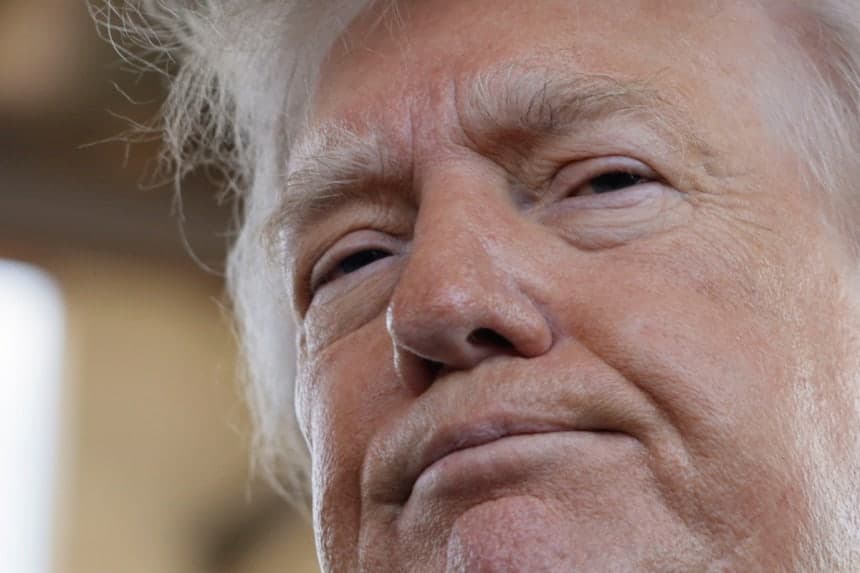
Democrats won control of Congress in the November 3 midterms. Candidates Trump had picked lost key races.
The day after, Reuters reported that Trump faces pressure inside his own party to change course. In the White House, aides are preparing for staff departures, possible cabinet changes, and Democratic investigations. One senior official said being there right now is awful, and that morale could not be any lower.
The Warning He Didn’t Take
According to the same official, internal polling six weeks before the election warned that Republicans would lose both the House and the Senate. Trump was told the Iran war carried a political cost. He did not change course. In the end, the official said, he did not care and would not listen to anyone.
Six weeks before November 3 is late September. That is around when Trump rejected Iran’s seven-day plan, which would have ended the US blockade first and reopened Hormuz within a week. What followed was a month of pre-election moves that worked around the war instead of ending it: Russian diesel, a sanctions waiver, a Canada tariff reshuffle for one Senate seat, and a promise of no strikes before the vote.
What Republicans Want Now
Republican allies and strategists are asking for three things: a White House shake-up, more discipline, and a reversal of the policies they blame for the loss. They name two: the Iran war and tariffs.
John Feehery, a veteran Republican strategist, called the result a huge disaster for Trump. He needs to clean house, Feehery said, and from now on he will grow less powerful every day.
Trump’s Answer
Trump does not see it that way. He told Fox News he does not regard the result as a blow against him. He acknowledged that the eight-month Iran war had hurt Republican candidates, but defended his decision to start it.
The next day he gathered reporters for an unscheduled tour of the ballroom construction site at the White House, part of a renovation program Congress largely did not approve. He talked about how much time he has put into the project. For him, he said, it is a break.
Vance Steps Back
On November 4 Vice President JD Vance named the Iran war as a cause of the defeat. It was a visible step away from the president by the man widely seen as his political heir.
Vance is also the official who reportedly sent Iran a letter through Qatar last week proposing to resume talks. Strategists and party officials told Reuters that breaks like his could become more common if Republicans decide Trump’s hold on the base is weakening. The first breaks came before the vote, when Senate candidates in three states broke with Trump over Russian diesel.
What a Democratic Congress Changes
| Democrats can now | Trump’s counter |
|---|---|
| Block his legislation | Veto every bill until they deal |
| Investigate the administration | He can’t veto a subpoena, only fight it in court |
| Challenge his nominees | Acting officials, as in his first term |
An override still takes two-thirds of each chamber. That leaves Trump’s unilateral powers intact, and Reuters reported he is expected to lean on them even more.
The two policies Republicans want reversed are the two Trump runs without Congress. The Iran war is run through CENTCOM and the blockade. Tariffs are run through proclamations. The election cost him the House and Senate, but not his control over either policy. That makes his party’s pressure the only real check, and his first answer on the war was to defend it. Vance’s distance matters most because he holds the other track: the Qatar channel. The exit from the war now has a political sponsor inside the administration. The first test comes quickly. The no-strike promise expired with the vote, and CENTCOM’s options are ready. Whether Trump strikes, talks, or waits will show whether the defeat changed anything.
The Other Side
The president’s party usually loses ground in midterms, and Trump has been here before: he lost the House in 2018 and won the presidency again in 2024. Anonymous complaints from inside a White House are common after a defeat. Defending the decision to go to war, rather than disowning it, is consistent, and changing course under domestic pressure mid-negotiation could weaken the US position with Iran. And divided government can produce deals: a president who needs Congress for budgets has reasons to bargain.
For markets, the policy engine now runs almost entirely on executive action, so tariff and Iran headline risk does not fall with the loss of Congress. Watch two directions. If Trump bends to party pressure — tariff relief, or an Iran exit through the Qatar channel — that would be supportive for equities and bearish for oil. If he doubles down, post-election strikes remain the main upside risk for crude. Personnel is the next signal: departures in trade, Treasury, or national security roles would show which way the shake-up runs. The new Congress sits in January. After that, investigations and budget deadlines — including the shutdown and debt-limit risks — become the main channels of US political risk.
Result (Nov 3)
Democrats win control of Congress; Trump-picked candidates lose key races
Inside the White House
Bracing for departures, cabinet changes, investigations
The Warning
Internal polling six weeks out predicted losses in both chambers
What the GOP Blames
The Iran war and tariffs
Trump
Not a blow to him; the war hurt candidates, but starting it was right
Vance (Nov 4)
Names the Iran war as a cause of the defeat